Digital Commonplace Book
The 500-year-old habit, reimagined for modern screens.
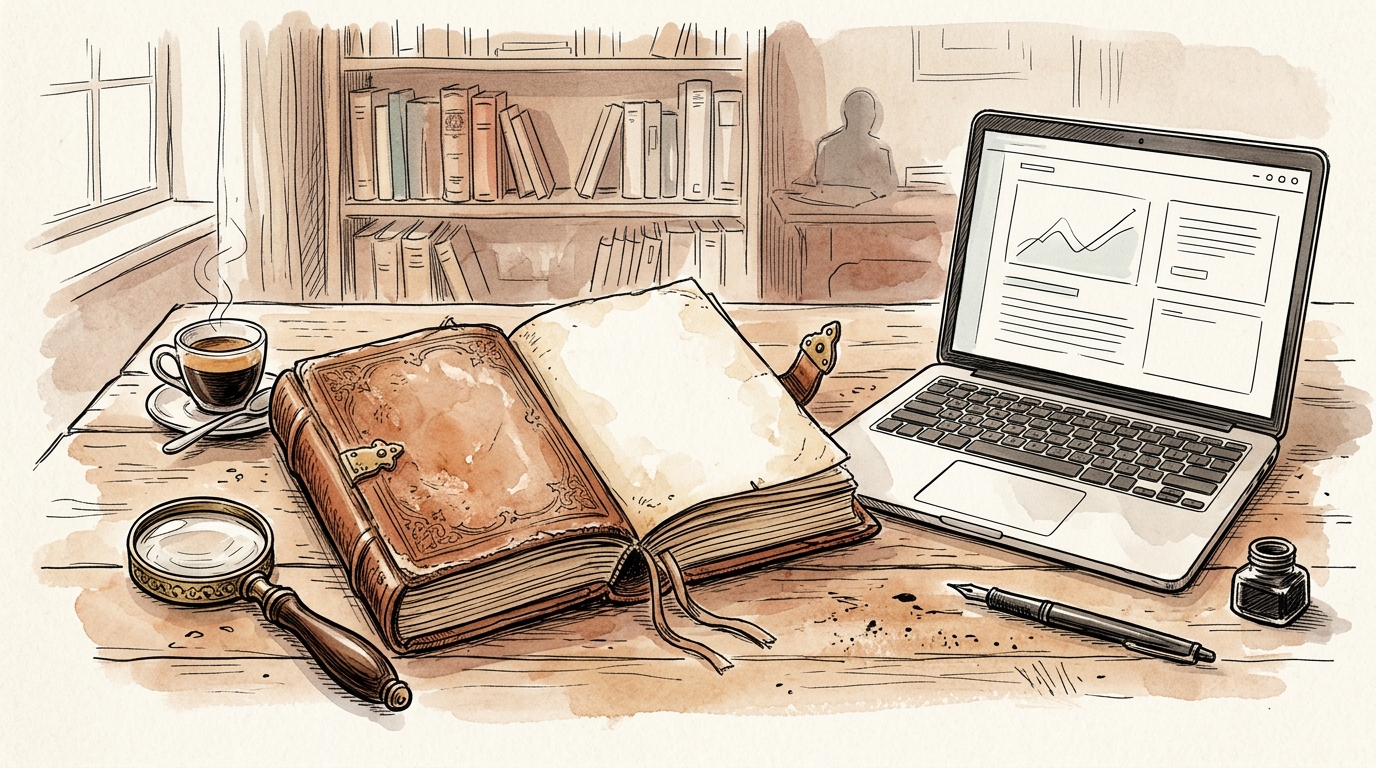
Before modern software turned personal thinking into a relational database chore, thinkers like Marcus Aurelius, Erasmus, John Locke, and Virginia Woolf kept a single bound notebook called a commonplace book.
It wasn't a rigid filing cabinet. It was an intellectual digestive tract where quotes, observations, daily tasks, and philosophical trials lived side-by-side. Owldo is the digital resurrection of the commonplace book.
Our Philosophy
“Digest the nectar before storing it.”
For 500 years, humanity's greatest minds kept commonplace books to collect quotes, reflections, and tasks in one bound companion. Owldo revives this art for modern screens.
What you get
- Quotes, tasks, and reflections unified: keep book highlights and daily priorities in the same Space
- Zero taxonomic friction: no complex tag hierarchies, YAML frontmatter, or graph maintenance
- Daily reflective prompt cards: Stoic evening reviews and expressive writing exercises in Feed
- The Public Notebook: publish mature commonplace entries to your open web notebook with one tap
- Offline-first SQLite storage: permanent, private data ownership stored directly on your hardware
Why the "Second Brain" Movement Broke Down
Modern knowledge management software convinced millions of users to become database administrators: managing nested tags, bi-directional backlink graphs, and relational tables. Users spent hours organizing metadata and zero hours writing original thought.
A historical commonplace book was organic. You only transcribed what provoked you, challenged you, or forced you to see reality differently. The proximity of reading notes to daily tasks is where true creative synthesis occurs.
From Reading to Reflection in One Tap
In Owldo, your reading feed and your notebook share the same engine. Highlight a passage from Seneca or an uploaded EPUB card, tap "Create Note," and the quote is saved into your Commonplace Space with automatic citation.
An Open Window to the World
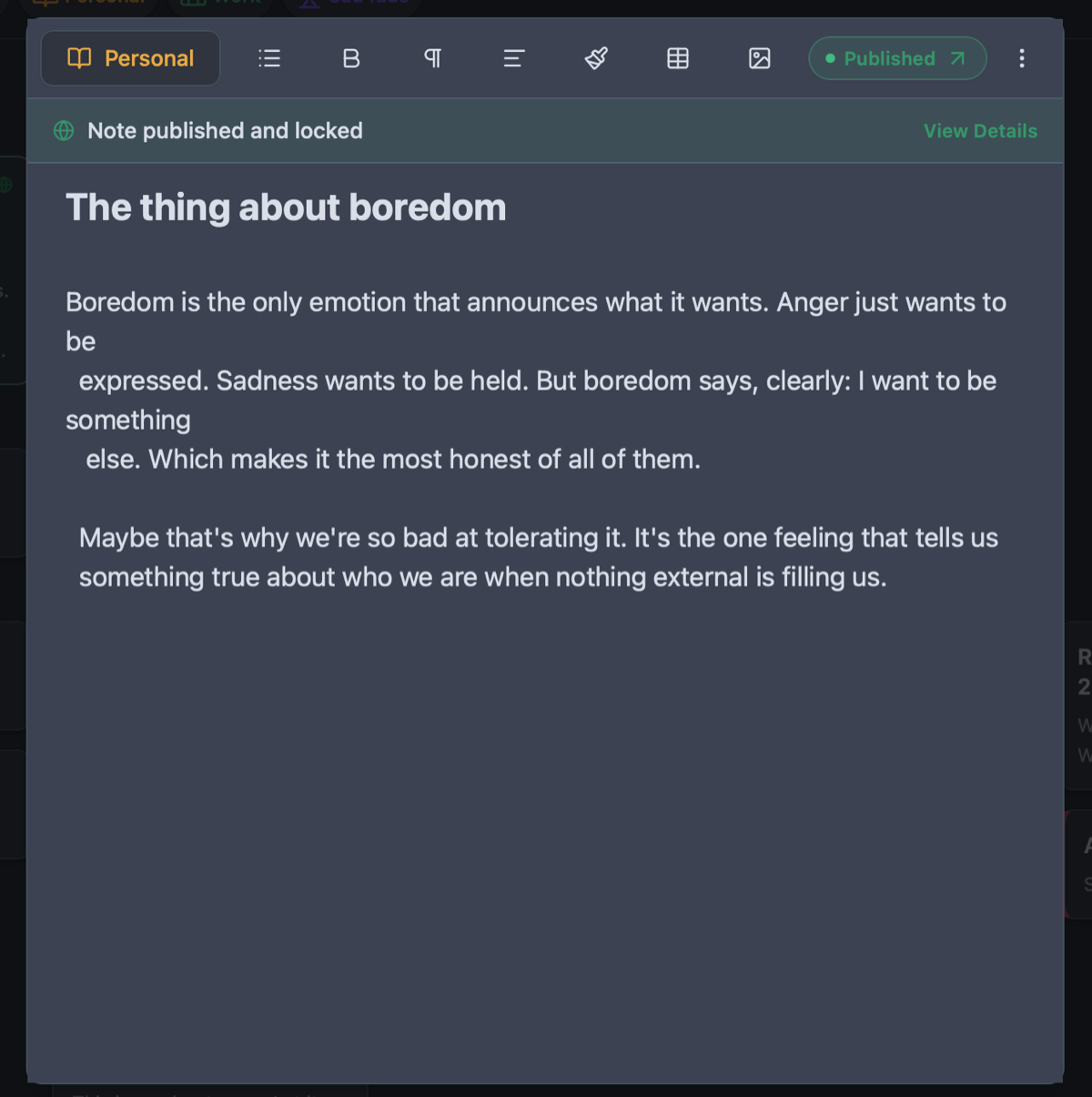
Historical commonplace keepers frequently shared their notebooks with trusted correspondents. In Owldo, whenever a thought compounds into a finished reflection, tap "Publish" to share it as an open dispatch on your personal domain.
See Owldo in action
Frequently asked questions
How is a commonplace book different from a journal?
A journal is chronological and introspective. A commonplace book gathers external wisdom, quotations, ideas, and arguments synthesized with your own reflections and projects.
Do I need complex tags to organize a commonplace book in Owldo?
No. Owldo uses flat, color-coded Spaces and instant local search, eliminating the need for tedious tag taxonomies.
Can I export my commonplace entries to keep a physical copy?
Yes. All notes in Owldo can be exported as clean, standard Markdown files to compile into printable archives.
Related guides & use cases
Explore more ways to organize your thoughts and publish your work.

Public Notebook
Public notebook
Turn your notes into a public notebook. No WordPress setup, no complex CMS, no theme maintenance. Share private thoughts on a sovereign URL with one tap.
Anti-AI App
Anti-AI writing app
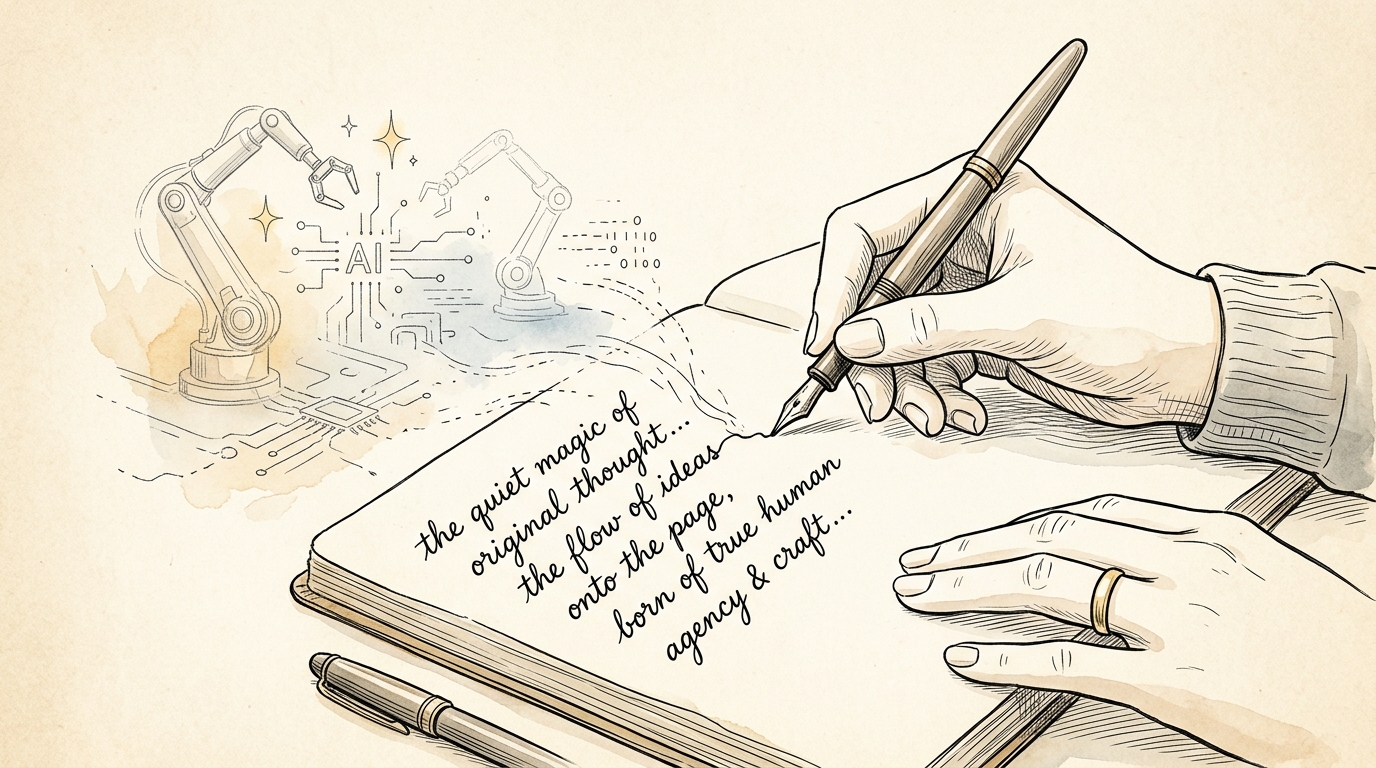
Owldo is the anti-AI app for thinkers who refuse to outsource their brains. No synthetic autocomplete, no AI slop, no surveillance. Just your mind on the page.
Guide
Owldo for writers
Read more about Owldo's approach and workflows.