Our Philosophy
Surface what matters now. Fade the rest.
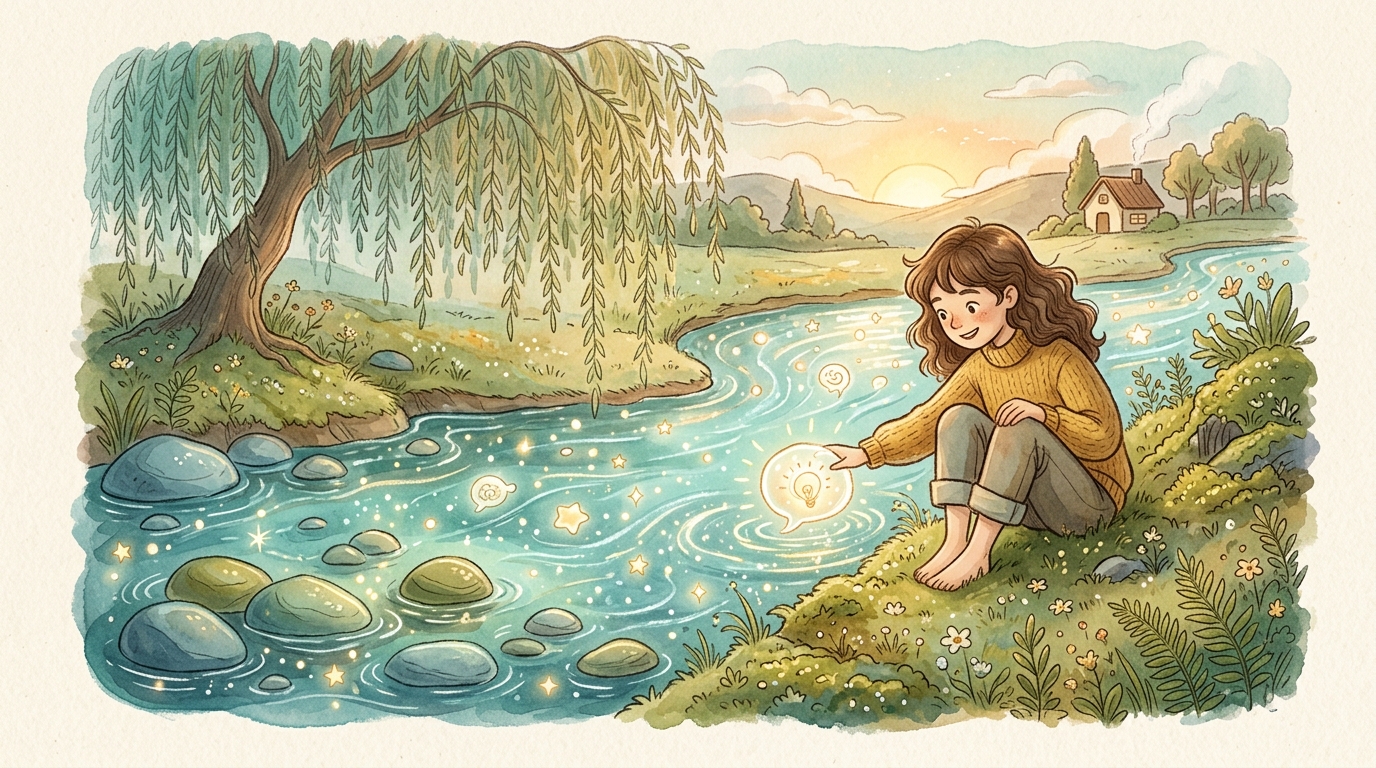
As time passes, every knowledge base and task list gathers digital silt. Completed initiatives, deprecated research notes, abandoned experiments, and half-remembered meeting logs accumulate in vast vertical trees. In typical tools, finding the document you drafted yesterday afternoon requires spelunking through five layers of nested folders or running an ambiguous search that surfaces fifty irrelevant legacy files.
Human memory does not organize information like an immutable corporate filing cabinet. The brain relies on natural recency, relevance, and frequency: memories associated with ongoing projects remain hyper-accessible, while inactive memories naturally fade into long-term storage without being lost. Software should honor the same cognitive reality.
The cognitive burden of visual clutter
Every visual element on your screen demands micro-evaluations from your prefrontal cortex. When you open your sidebar and see fifty legacy project folders, your visual processing must actively filter out forty-eight irrelevancies before your eyes land on today's priority.
This subtle visual overhead generates decision fatigue before you have written a single sentence. Respecting recency means your primary viewport is continuously optimized for active working context.
Dynamic context surfacing and natural decay
Instead of demanding that you manually relocate or rename files every time a sprint ends, Owldo’s interface prioritizes what you touched today, this week, and this month.
Spaces and documents you interact with frequently remain prominent in your sidebar and quick-switcher. As an initiative concludes, it naturally recedes into the background archive without requiring tedious cleanup chores.
Universal Today view: a daily clean slate
Today is the only temporal horizon you can directly control. Owldo’s unified Daily Planner aggregates tasks and notes relevant to today, filtering out the distant commitments of next month.
By bounding your daily awareness to immediate responsibilities, Owldo protects you from future-anxiety. You can trust that future tasks will resurface when their scheduled date arrives, leaving your present headspace clear.
Frictionless archival without fear of data loss
Many users resist cleaning up workspaces because archiving in traditional tools feels destructive or irreversible. What if you need that supplier contact or design decision six months from now?
In Owldo, archiving simply removes an item from your immediate peripheral vision. Everything remains indexed by an instant, local full-text search engine. Past insights are never lost; they simply sleep until you call them back.
See our philosophy in the app
Frequently Asked Questions
Does respecting recency mean my older notes and projects get deleted?
Never. Everything is permanently preserved in your local SQLite database. Archival simply clears active sidebars to keep your working space distraction-free.
How do I find a note from six months ago if it isn’t visible in my recent sidebar?
Owldo features single-keystroke global search that queries your full local database in real time, matching keywords, tags, and dates in single-digit milliseconds.
How does the Daily Planner decide what to show me each morning?
It surfaces items explicitly scheduled for today, overdue tasks requiring resolution, and notes pinned to your current working spaces, omitting future noise.
Can I still organize my notes into permanent structures if I prefer folders?
Yes. Owldo supports Spaces and hierarchical organization for evergreen knowledge bases. Recency surfaces your active items automatically without preventing deliberate structuring.
More of our philosophy
The principles that guide how we design and build Owldo.

Philosophy
Capture fast. Organize later.
The app should act like an extension of your mind, not another thing to manage. Start messy, refine later.
Philosophy
Be a good manager, and an even better employee.
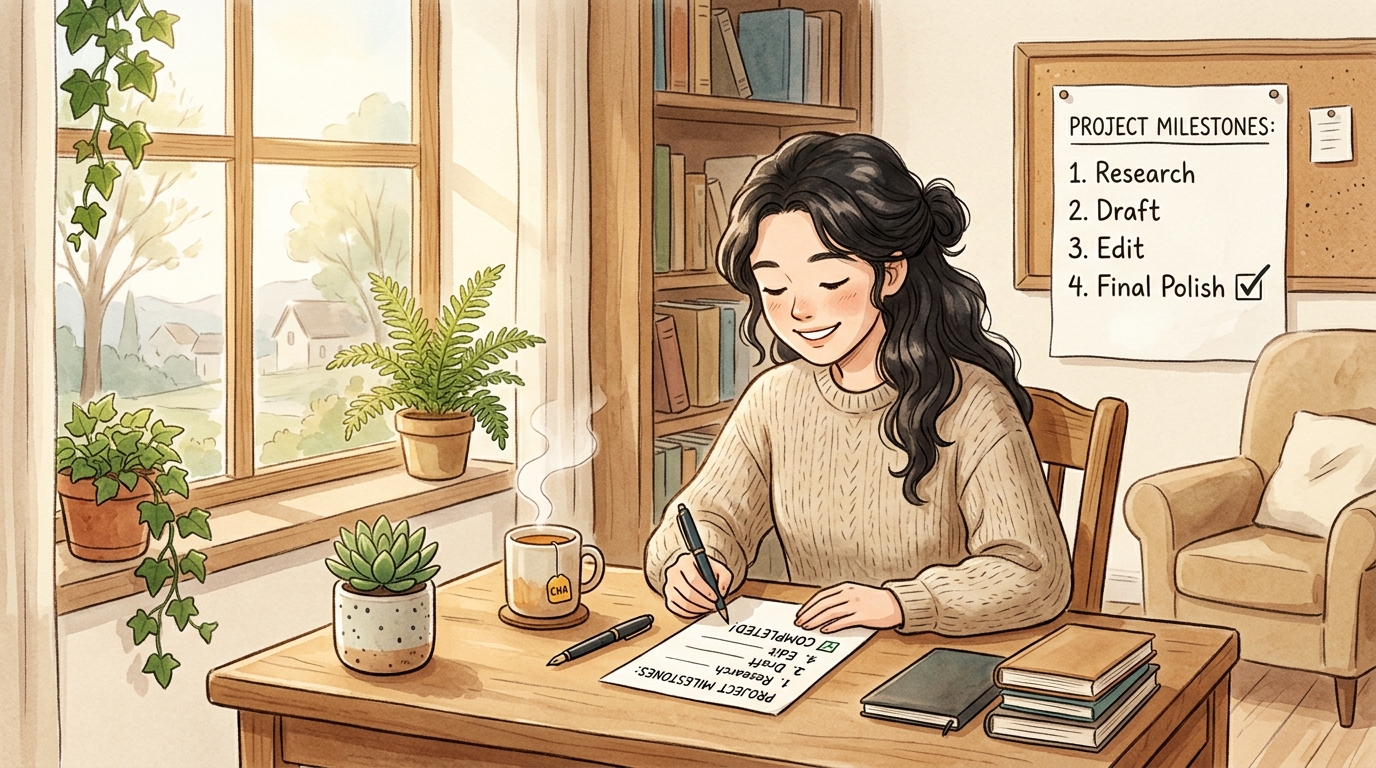
Be a good manager, and an even better employee. Optimal stopping applied to productivity.

Philosophy
Opinionated workflows. Portable data.
Don’t create a system so inflexible it breaks when life changes. And when you outgrow us, export everything.