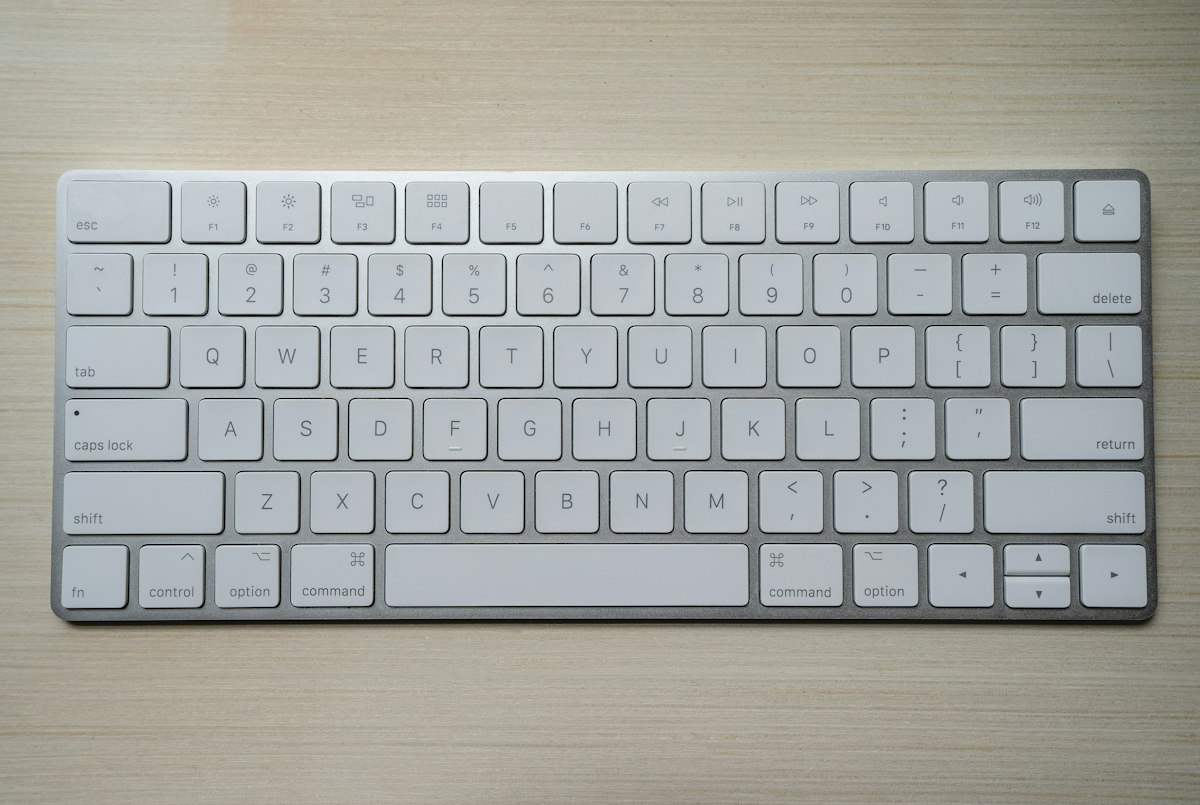
Favourite Tool: Vintage Cherry MX Black 'Hyperglide' Switches (67g of Tactile Sanity)
I write code on a custom 60% mechanical keyboard with a solid milled aluminum chassis that weighs four and a half pounds. It does not have Bluetooth, RGB rainbow lighting, or multimedia dials.
Inside that chassis are sixty-one desoldered, hand-lubricated **Cherry MX Black "Hyperglide" linear switches**.
People who write code on butterfly chiclet laptop keyboards look at this setup and think it's an overpriced hipster affectation. They don't understand the neuroscience of physical feedback.
The Anatomy of the Switch
Default modern switches are light—35g to 45g actuation force. You can sneeze on an ultra-light switch and accidentally fire off an invalid shell command.
Cherry MX Blacks require a hefty **67 grams of bottom-out resistance**.
1. **The Spring Weight**: The 67g progressive spring forces your fingers to type with deliberate physical intention. You cannot accidentally brush a keycap; every character entered into the terminal is an affirmative philosophical choice.
2. **The Lubrication**: Fresh out of the factory in Germany, MX Blacks are slightly scratchy. But once you open the housing, apply a microscopic coat of **Krytox 205g0** grease to the stem rails, and insert a 0.125mm polycarbonate film to tighten the housing tolerance, the keystroke transforms into pure hydraulic silk.
3. **The Sound Profile**: It doesn't make an obnoxious high-pitched click like a blue switch; it produces a deep, muted, authoritative "thock" that absorbs into the heavy aluminum plate.
Why It Matters
When you spend ten hours a day translating abstract mental architectures into code, the physical interface between your nervous system and the computer matters.
A mushy membrane keyboard makes your fingers feel disconnected from the reality of the machine. Bottoming out a 67g switch provides a tactile confirmation that anchors thought into physical space. It’s the difference between driving a cheap rental car with numb electric power steering and gripping the wooden steering wheel of a vintage sports car where every pebble on the tarmac vibrates up your arms.
Treat your hands with respect. They are the only compiler you have.